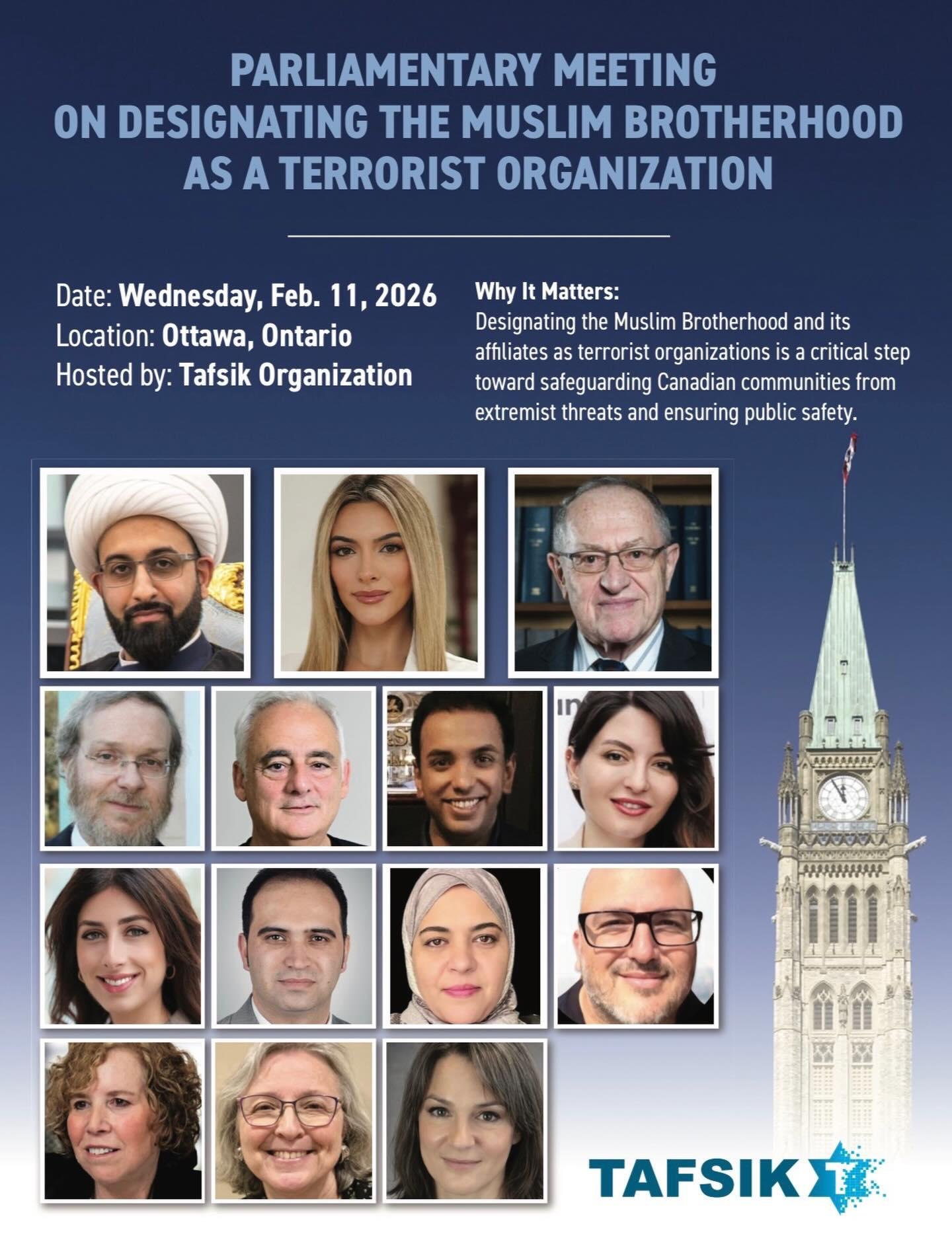

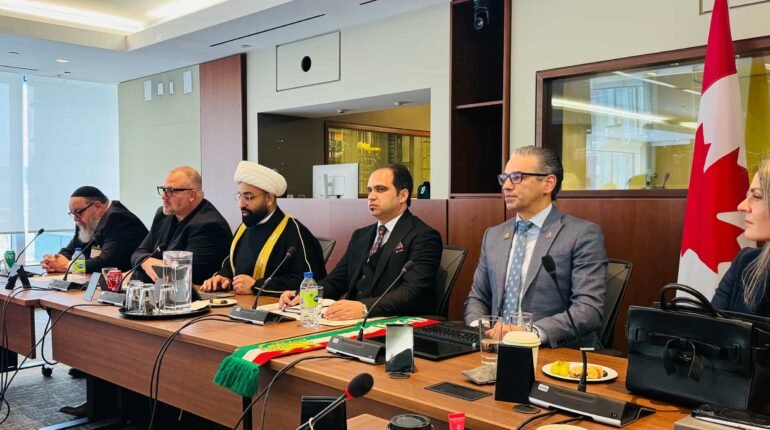
On February 11, 2026, the Tafsik Organization convened a session at the Canadian Parliament to call for the designation of the Muslim Brotherhood and its affiliated entities in Canada as terrorist organizations. Advocates, legal experts, and religious leaders joined to share their expertise on this critical issue. Among the speakers was Khalid Ramizy, CEO of the World Anti-Extremism Network (WAEN), who highlighted the growing threat of extremist ideology and its potential impact on democratic societies.
Drawing on personal experience and professional expertise, Ramizy highlighted the dangers of ignoring extremist ideologies. Originally from Afghanistan, he reflected on the devastating impact on nations and communities and expressed alarm after witnessing extremist symbols such as the Taliban flag, raised in downtown Toronto, signaling the real and growing threat in Canada. On the nature of these movements, Ramizy stated: “The Muslim Brotherhood is not merely a religious movement; it is a political ideology aimed at gaining power and constructing a religious state”.
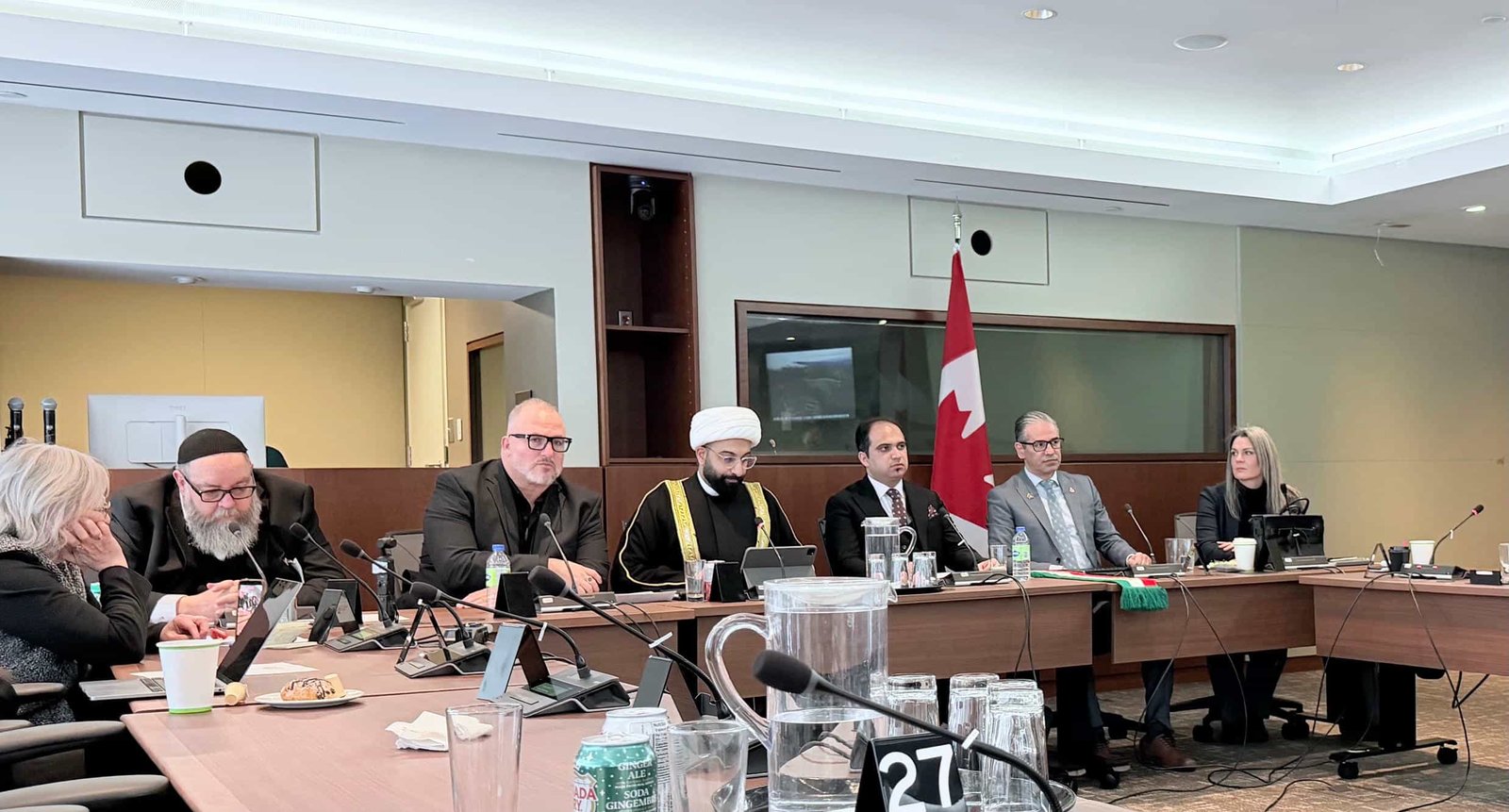
Mr. Ramizy shared findings from WAEN’s research on twenty Islamic schools in Ontario, highlighting concerns about ideological influence. He noted that certain individuals linked to several associations maintain ties with the Muslim Brotherhood abroad and warned that these networks, while not a single unified organization, have entrenched their influence through civil, charitable, and educational institutions across Canada. He emphasized that this growing ideological presence threatens Canada’s social cohesion, democratic values, and freedom.
He further outlined concrete steps to counter extremism: ensure financial transparency for organizations with suspected ties, support reform-minded Muslim voices, enforce the law consistently, expand civic education, engage civil society, and strengthen newcomer integration programs to promote Canada’s democratic values and social cohesion.
He concluded with a warning about the stakes for Canada: “Defending Canada’s diversity requires protecting its democratic foundations. Delay is not neutrality—it is a risk.”